32 Weeks Pregnant
At 32 weeks pregnant your baby is gaining weight quickly and is often settling into a head-down position, and prenatal visits get more frequent as you begin prepping for birth. Your baby is about the size of a squash, roughly 17 to 18 inches long and close to 4 to 5 pounds. There is less room to move now, so kicks may feel more like rolls, jabs, and stretches.
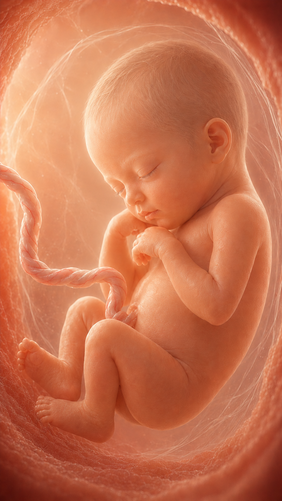
About the size of a jicama. The skin is no longer translucent now that fat is filling in underneath, and the lungs keep maturing.
42.4 cm length · ~1.70 kg weight
Your week at a glance
| This week | Details |
|---|---|
| Baby size | About a squash, roughly 17 to 18 inches long, close to 4 to 5 pounds |
| What is developing | Fast fat gain, stronger bones, lungs maturing, practicing breathing movements |
| Your symptoms | Pelvic pressure, shortness of breath, Braxton Hicks, back ache, fatigue |
| To-do | Track movement, ask about baby's position, start birth prep and a hospital bag |
A growth spurt
From now until birth, the baby gains weight quickly, adding the fat that helps with temperature and energy after delivery. The bones are hardening, though the skull stays soft and flexible with open seams that let it ease through the birth canal. The baby is also practicing breathing movements and swallowing amniotic fluid.
Because the baby is bigger and space is tighter, the type of movement often changes. Instead of sharp kicks you may feel more rolls, presses, and the occasional knee or elbow against your ribs. The pattern still matters, so keep noticing the baby's usual active times and mention any clear change to your provider.
Baby's position
Many babies are starting to settle head down by 32 weeks, though plenty are still head up or sideways at this point and have time to turn. Most babies are head down by around 36 weeks.
Your provider checks position by feeling your abdomen at visits. If the baby is breech as your due date gets closer, you can talk about options, including a procedure to gently turn the baby. There is no need to act on position now, since it commonly changes on its own over the coming weeks.
Common symptoms this week
- Pelvic and bladder pressure as the baby grows
- Shortness of breath when the uterus pushes against your lungs
- Braxton Hicks tightenings that come and go
- Back ache and trouble finding a comfortable sleep position
- Heartburn and swelling in the feet and ankles
Start prepping for birth
There is no rush, but these are good things to begin.
- Keep your kick-count or movement habit going
- Ask at your visit whether the baby is head down, breech, or sideways
- Pack a rough draft of a hospital bag for you and the baby
- Install and check the car seat, or plan when you will
- Talk through your birth preferences with your provider and support person
What the baby is doing now
Toenails and fingernails have grown in, and the baby has hair on its head. Under the skin, fat keeps building so the once-wrinkled skin looks smoother and fuller. The baby is also cycling through longer stretches of sleep and active periods that you can feel from the outside.
Most major systems are formed and now spend these weeks maturing and growing. The lungs are among the last to finish, which is one reason the final weeks before your due date are so valuable for the baby's readiness to breathe on its own.
Call your provider if
- Regular tightenings, pelvic pressure, or low back pain in waves before 37 weeks
- A clear decrease in the baby's movement
- Any vaginal bleeding or a leak or gush of fluid
- Severe headache, vision changes, or sudden swelling of the face and hands
- Fever, chills, or burning with urination
Reflects Mayo Clinic and Cleveland Clinic third-trimester fetal development and prenatal-care references, 2024-2026.
Related questions
- Should the baby be head down at 32 weeks?
- Not necessarily. Many babies are head down by 32 weeks, but plenty are still breech or sideways and turn on their own in the coming weeks. Most are head down by about 36 weeks. Your provider will keep checking position at visits.
- Why does the baby move less at 32 weeks?
- There is less room as the baby grows, so movements often feel different rather than less. You may notice rolls, stretches, and pokes more than sharp kicks. The overall pattern should stay roughly the same, so call your provider if movement clearly drops off.
- How big is the baby at 32 weeks?
- About 17 to 18 inches long and roughly 4 to 5 pounds, often compared to a squash. Babies grow at their own pace, so a measurement a bit above or below average is usually still normal.
- When should I pack a hospital bag?
- Having a bag roughly ready by 32 to 35 weeks is a calm way to plan ahead, since some babies arrive early. Include items for you, the baby, and your support person, plus your ID and any paperwork your hospital asks for.
Sources & further reading
ParentFlow: one free app, newborn to age six
ParentFlow is a free baby tracker that logs feeds, sleep, diapers, pumping and growth in one tap, with your daily summary, trends, and reminders based on your own logs. Free for everyday tracking on iPhone, Android, and the web.
App Store Google Play Open Web AppThis article reflects current AAP, CDC, FDA, and other public-health guidance and is for educational purposes only. It does not constitute medical advice. ParentFlow is a wellness companion — not a substitute for your pediatrician. For any medical concern, contact your healthcare provider.