31 Weeks Pregnant
At 31 weeks pregnant your baby is about the size of a coconut — roughly 17 inches long and about 3.3 pounds — and the brain now plays an active role in regulating body temperature. Networks of neurons are connecting fast, building the wiring for thinking and learning, while a layer of fat fills in under the skin and the senses grow sharper.
Your week at a glance
| This week | Details |
|---|---|
| Baby size | About a coconut, roughly 17 inches and ~3.3 lb (41.1 cm, ~1.50 kg) |
| What is developing | Brain helping regulate temperature, fat filling in, sharp senses, maturing lungs |
| Your symptoms | More Braxton Hicks, pelvic pressure, shortness of breath, leg swelling |
| To-do | Count kicks, stay hydrated, start a birth plan, pick a pediatrician, sort insurance |
How big is your baby at 31 weeks?
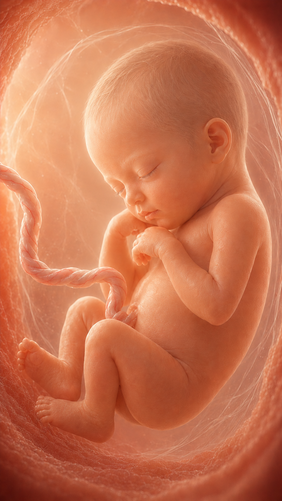
Your baby is now about 17 inches long and roughly 3.3 pounds, about the size of a coconut. The brain is doing some of its most impressive work yet — it now plays an active role in regulating your baby's body temperature, and rapid growth of brain tissue is forming the deep grooves and folds that mark a mature human brain. Networks of neurons are connecting at a remarkable pace, building the wiring your baby will use for thinking, learning, and remembering after birth. The senses are sharper than ever: your baby hears muffled voices and music, sees light filtering through your belly, tastes hints of what you eat in the amniotic fluid, and responds to touch with kicks or rolls.
A layer of fat continues to fill in under the skin, smoothing out the wrinkles and helping your baby look more like the round, soft newborn you will meet. The lungs are still working on surfactant but are not quite mature yet — surfactant levels typically reach a more reliable point a few weeks from now. Your baby's adrenal glands are also producing hormones that help trigger your milk production after birth, and the immune system is gaining strength through antibodies you pass across the placenta.
Movement should still feel strong and frequent, but it may feel different — more pressure, fewer big swooping movements, bigger jabs from knees, heels, and elbows as space gets tighter. Some days your baby will feel quieter than others; healthy babies have busy days and lazy days.
31 weeks pregnant symptoms
Braxton Hicks are usually more frequent and noticeable around now, and pelvic pressure tends to increase as your baby grows and settles a little lower. The common, normal symptoms this week:
- More frequent Braxton Hicks — short, painless, irregular squeezes, often triggered by being on your feet too long, dehydration, a full bladder, sex, or your baby's movement
- Pelvic pressure that can feel like a bowling ball some days, especially in the evening
- Shortness of breath when you climb stairs, talk a lot, or lie flat, as your uterus presses on your diaphragm
- Leg swelling by day's end, varicose veins, hemorrhoids, leg cramps, and restless legs
- Broken sleep, vivid dreams, persistent heartburn, and frequent bathroom trips
- Mild dizziness when standing up too fast, a stuffy nose, and colostrum leaking from your breasts
True labor contractions, by contrast, get longer, stronger, and closer together rather than fading when you change positions and hydrate. Four or more contractions in an hour before 37 weeks — especially with pain, pressure, or any bleeding or fluid — is a reason to call your provider right away.
Taking care of yourself this week
Keep up gentle, low-risk movement like walking, swimming, prenatal yoga, or a stationary bike most days. Hydration is one of the simplest ways to cut down on Braxton Hicks — aim for around 80 to 100 ounces of fluid a day, especially before, during, and after any activity. If you have a wave of Braxton Hicks, drink a big glass of water, lie down on your side, and they usually settle within an hour. For pelvic pressure, try pelvic tilts on hands and knees, hip circles on a birth ball, gentle stretching, or short rests with your feet up. Avoid heavy lifting and jerky movements; let other people pick up the heavy stuff when they can.
- Magnesium from pumpkin seeds, almonds, cashews, beans, leafy greens, whole grains, and dark chocolate helps with night-time leg cramps.
- Calcium from pasteurized dairy, fortified plant milks, leafy greens, and tofu supports your baby's hardening bones.
- Iron from lean meat, beans, lentils, fortified cereals, and spinach (with a squeeze of citrus) helps your body keep up with your increased blood volume.
- Keep food safety steady — wash produce well, cook meat thoroughly, choose pasteurized dairy, and avoid high-mercury fish.
This is a great week to lock in the boring-but-important paperwork. Choose a pediatrician if you have not yet; most offices do free meet-and-greet visits, and you will want one picked before your baby arrives. Check with your insurance about how to add your baby to your plan — there is usually a short window after birth, and missing it can be expensive. Confirm what your hospital needs at registration. If your workplace offers parental leave, finalize the start date and paperwork. Pre-stock a few easy postpartum essentials: heavy maxi pads, large underwear, a peri bottle if your hospital does not send one home, and simple snacks. One small thing per week keeps it manageable.
Appointments & tests
Your routine third-trimester visits continue every two weeks. A standard 31-week visit includes a blood pressure check, a urine dip looking for protein (an early sign of preeclampsia) and sugar, a weight check, a fundal-height measurement, and listening to your baby's heartbeat with a Doppler. Your provider will ask about movement patterns, any sudden swelling, headaches, vision changes, sleep, mood, and contractions. They will track your weight gain and growth and may quietly note your baby's likely position; many babies are still flipping at this point, so do not be alarmed if yours is breech or transverse — there is plenty of time to settle.
Looking ahead, one of the bigger testing milestones of the third trimester is coming up between 36 and 37 weeks: group B streptococcus (GBS) screening. GBS is a common bacterium that lives harmlessly in many adults but can cause serious infection in newborns if passed during delivery. The test is a simple swab of the vagina and rectum, and a positive result means you will receive antibiotics during labor to protect your baby. If you have not received Tdap yet, this is still a great window — the CDC recommends it between weeks 27 and 36. If you are eligible for the RSV vaccine, your provider can talk through whether it fits your timing. Good questions to bring: how are my blood pressure and weight trending, is my baby measuring on track, when and how will GBS testing happen, and what are the differences between true labor and Braxton Hicks I should watch for.
Call your provider if
- Bright red vaginal bleeding heavier than spotting, or a sudden gush or steady trickle of fluid that could be amniotic fluid
- Regular and painful contractions before 37 weeks — especially four or more in an hour, or any tightening getting longer, stronger, and closer together (possible preterm labor)
- New pelvic pressure, a low backache coming in waves, or discharge turning pink, bloody, or watery
- A clear and lasting drop in your baby's movement compared with their usual pattern
- A persistent headache, blurry vision or spots, sudden face or hand swelling, a fever above 100.4°F, or sudden swelling, redness, or pain in one leg
Reflects Mayo Clinic and Cleveland Clinic third-trimester fetal-development references and fetal-movement (kick count) guidance, 2024–2026.
Related questions
- How big is the baby at 31 weeks pregnant?
- About the size of a coconut — roughly 17 inches long and about 3.3 pounds. The brain now plays an active role in regulating your baby's body temperature, and a layer of fat is filling in under the skin.
- What do Braxton Hicks feel like at 31 weeks?
- Short, painless, irregular squeezes across your belly that come and go, often triggered by being on your feet too long, dehydration, a full bladder, sex, or your baby's movement. True labor contractions get longer, stronger, and closer together rather than fading when you change positions and drink water. Four or more contractions in an hour before 37 weeks is a reason to call right away.
- How do I count kicks at 31 weeks?
- Pick a time when your baby is usually active, lie on your left side, and count distinct movements. Most parents reach 10 well within an hour. Some days your baby will feel quieter than others. If you notice a clear and lasting drop from the pattern you know, drink something cold, lie down, and call your provider if movement does not pick up.
- When is group B strep testing done?
- Group B strep (GBS) screening usually happens between 36 and 37 weeks. It is a simple swab of the vagina and rectum. If it comes back positive, you receive antibiotics during labor to protect your baby. It is good to know about it now so it does not feel surprising later.
Sources & further reading
ParentFlow: one free app, pregnancy to age six
ParentFlow follows your pregnancy week by week — baby size, what's developing, your symptoms, and the appointments and warning signs that matter — then becomes a free baby tracker for feeds, sleep, and growth after birth. Free on iPhone and Android.
App Store Google Play Open Web AppThis article reflects current ACOG, Mayo Clinic, Cleveland Clinic, CDC, and FDA guidance and is for educational purposes only. It does not constitute medical advice. ParentFlow is a wellness companion — not a substitute for your obstetric provider. For any medical concern, contact your healthcare provider.